Homeownership comes with constant decision-making, especially when it comes to maintenance. Many issues start small and seem harmless at first, making it tempting to delay repairs. Unfortunately, postponing these fixes often allows damage to spread, turning affordable solutions into costly emergencies. From structural concerns to system failures, minor warning signs usually appear long before serious damage sets in.
Proactive home maintenance isn’t just about saving money—it’s also about protecting your safety, comfort, and long-term property value. Addressing problems early can prevent disruptions, avoid major renovations, and reduce stress. Below are eleven common home maintenance issues that are far less expensive to address now than later, along with why acting quickly makes such a big difference.
1. Roof Damage That Starts Small
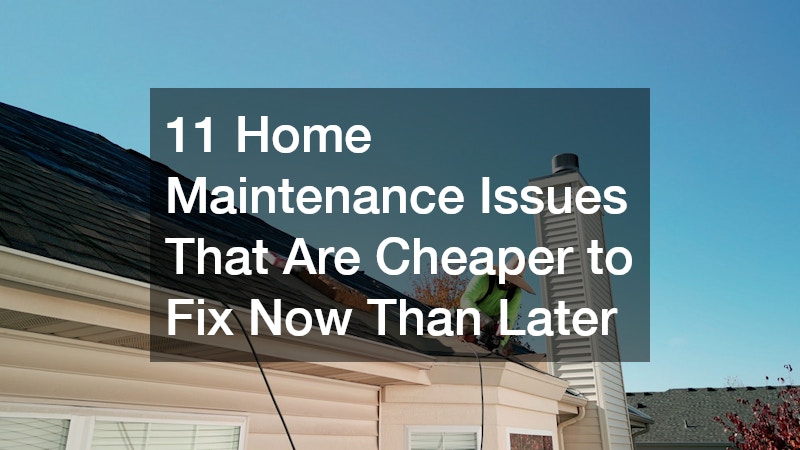
A roof rarely fails all at once. Most major roofing problems begin with subtle warning signs like missing shingles, small leaks, or deteriorating flashing. When these issues are addressed early, repairs are usually straightforward and affordable. Ignoring them allows water to seep into insulation, ceilings, and wall cavities, creating rot and mold that dramatically increase repair costs.
Homeowners often underestimate how quickly roof damage can escalate. A single compromised area can spread moisture across a wide surface, weakening the roof structure and interior framing. Over time, what could have been a simple fix may require partial or full replacement, along with interior repairs.
Working with professionals experienced in residential roofing allows issues to be identified and resolved before structural damage occurs. Early inspections and targeted repairs extend roof lifespan and help avoid emergency situations that often come with premium pricing and rushed decisions.
2. Cracked or Uneven Driveways and Walkways
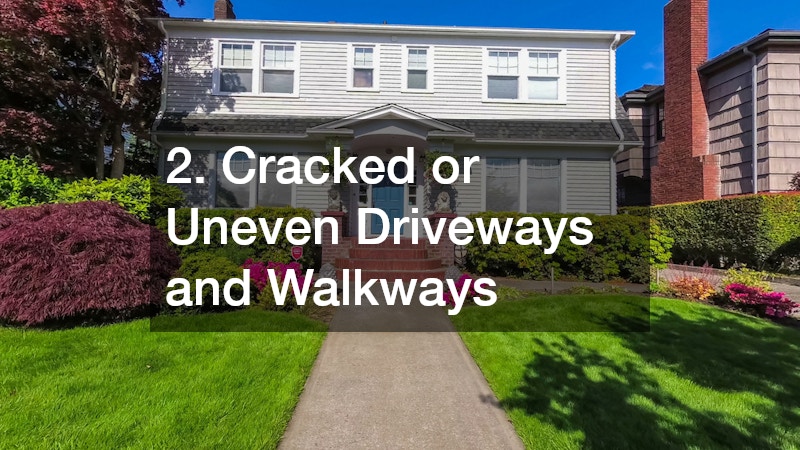
Small cracks in driveways, patios, or walkways may seem cosmetic, but they often signal underlying problems such as soil movement or water intrusion. When left untreated, these cracks widen, allowing water to penetrate beneath the surface. This erosion weakens the base and accelerates deterioration, especially during temperature changes.
Early intervention can often involve sealing cracks or leveling small sections. Delaying repairs increases the likelihood of full surface failure, which can require demolition and replacement. Beyond cost, damaged paving creates safety hazards that can lead to injuries or liability issues.
Addressing problems early with professional paving services helps preserve the integrity of outdoor surfaces. Timely repairs improve appearance, enhance safety, and significantly reduce long-term expenses associated with complete reconstruction.
3. Minor Plumbing Issues That Signal Bigger Problems
Slow drains, dripping faucets, or fluctuating water pressure are often dismissed as minor inconveniences. However, these symptoms frequently indicate deeper plumbing issues that worsen with time. Small leaks can lead to water damage inside walls, under floors, and around foundations.
Water damage doesn’t just affect surfaces—it can compromise structural materials and promote mold growth. These hidden problems are far more expensive to repair once discovered. Early diagnosis helps prevent extensive demolition and restoration work.
Consulting a licensed plumber at the first sign of trouble allows issues to be fixed quickly and affordably. Proactive repairs protect your home’s infrastructure and prevent water-related damage from spiraling into major renovation projects.
4. Hidden Foundation Leaks
Not all leaks are visible. Water lines running beneath concrete slabs can develop leaks that go unnoticed for long periods. These leaks often progress silently without visible pooling or dripping. By the time symptoms appear, damage may already be extensive.
Common warning signs include unexplained water bills, warm spots on floors, or damp odors. Some homeowners may notice cracks in flooring or subtle shifts in their foundation. Ignoring these signs can lead to foundation damage, mold growth, and compromised structural integrity. Repairs become significantly more invasive as damage spreads.
The longer these leaks persist, the more extensive the damage becomes. Water erodes soil beneath the foundation, increasing the risk of cracks and shifting. Structural movement can affect walls, doors, and windows throughout the home. These repairs often require specialized contractors and extended timelines.
Professional slab leak detection identifies problems early using specialized equipment. Non-invasive tools allow technicians to pinpoint leaks without unnecessary damage. Catching leaks early prevents major structural repairs and significantly lowers overall repair costs.
5. Pest Activity Inside Walls
Pests rarely announce themselves loudly at first. Small signs like faint rustling sounds or minor wood damage are often overlooked. Homeowners may assume the issue is temporary or insignificant. Unfortunately, pest activity tends to increase rapidly once established. Some pests can cause extensive structural harm if left untreated. Wood-damaging insects weaken framing and support beams over time. As colonies grow, damage spreads beyond easily accessible areas. Repairs become more complex as infestations expand.
As infestations grow, repairs become more invasive and expensive. Structural components may need replacement, and pest control efforts become more involved. In severe cases, affected areas may need to be opened to assess damage fully. This adds labor and restoration costs. Prompt carpenter ant control stops infestations before they compromise your home’s structure. Early treatment limits damage and reduces disruption. Acting quickly protects both your property and your budget by avoiding extensive restoration work.
6. Garage Door Wear and Malfunctions
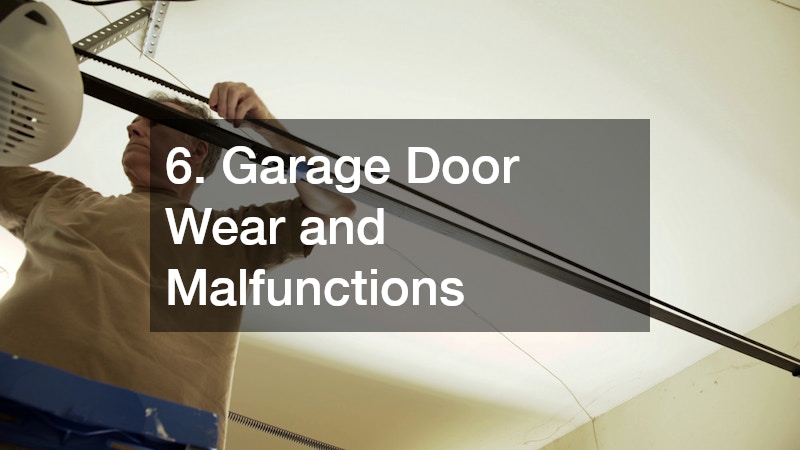
Garage doors are used multiple times daily, making them one of the most mechanically stressed components of a home. Over time, moving parts experience wear that isn’t always immediately noticeable. Small issues often develop gradually, making them easy to ignore.
Unusual noises, delayed movement, or uneven operation often signal worn parts. These symptoms indicate strain on springs, tracks, or openers. Ignoring these signs can lead to sudden failure. A malfunctioning door may become stuck or fall unexpectedly.
A failed garage door can cause damage to vehicles and pose safety risks. Repairs become more expensive when multiple components fail simultaneously. Early repairs usually involve simple adjustments or part replacements. These solutions are significantly more affordable than full system replacement.
Timely attention can prevent the need for full garage door replacement, which is significantly more expensive. Addressing issues early extends the system’s lifespan and maintains safe operation. It also ensures consistent access and security for your home.
7. Slow or Backed-Up Drains
Drains that empty slowly or back up occasionally may seem manageable with temporary solutions. Many homeowners rely on chemical cleaners or plungers for quick relief. However, these approaches rarely address underlying problems. Symptoms often return and worsen over time.
These signs often indicate deeper blockages or pipe deterioration. Pressure buildup inside pipes increases strain on joints and seals. Left untreated, pipes can crack or collapse. Sewage backups can cause serious contamination and damage.
Minor blockages are typically easy to clear when addressed early. Severe obstructions may require extensive pipe repair or replacement. Water damage from backups adds to the cost and complexity of repairs. Clean-up and restoration can disrupt daily life.
Professional maintenance from experienced drain cleaning companies resolves issues early and helps prevent emergencies. Routine cleaning keeps plumbing systems functioning properly. This proactive approach avoids costly damage and prolongs system lifespan.
8. Storm-Related Debris and Damage
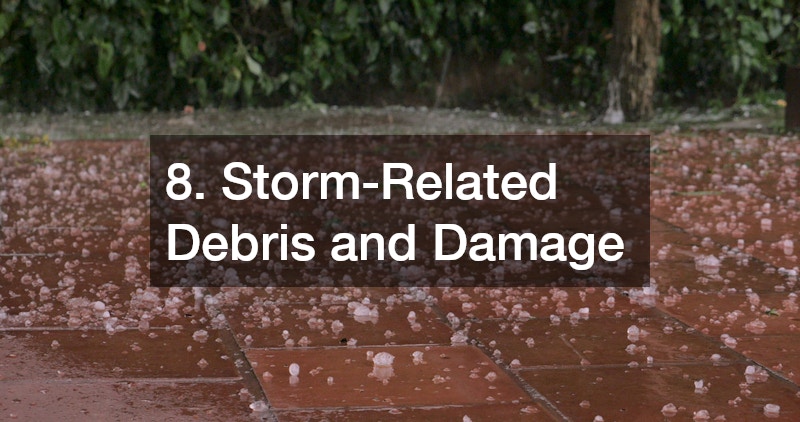
After storms, fallen branches, debris, and partially damaged structures can appear manageable at first glance. Some homeowners may assume that a quick sweep or temporary fix will suffice. However, even minor damage left unaddressed can quickly escalate, creating safety hazards and increasing repair costs. Conditions can deteriorate faster than expected, especially if additional rain or high winds follow the initial storm. Ignoring debris or damage can also make it harder to identify the true extent of the problem later.
Broken limbs can fall unexpectedly after the storm, and weakened or compromised trees may become unstable, posing serious risks to property and people. Debris can accumulate in gutters, drainage systems, and low-lying areas, blocking water flow and contributing to localized flooding. Moisture trapped under leaves, branches, or damaged roofing accelerates deterioration of materials like wood, siding, and paint. These secondary effects often create more damage than the storm itself, including hidden structural issues that remain unnoticed until more severe problems develop.
Delayed storm cleanup services can also exacerbate water drainage issues, leading to soil erosion, foundation shifts, or basement flooding. Standing water around the property can encourage mold growth, attract pests, and damage landscaping. Early and thorough cleanup minimizes hazards, prevents secondary damage, and helps restore safety and functionality to outdoor spaces. It also improves access around the property, allowing homeowners or contractors to safely assess any hidden damage.
9. Failing Gutter Systems
Gutters play a critical role in directing water away from your home, helping to protect your roof, siding, foundation, and landscaping from water damage. When functioning properly, they prevent erosion, pooling, and moisture-related problems that can compromise your property’s structural integrity. Many gutter issues develop gradually, such as minor clogs, sagging, or small leaks, making them easy to overlook until more serious damage occurs.
When gutters clog, sag, or leak, water can pool near the foundation or overflow along walls, potentially causing damage to siding, landscaping, and even walkways. Soil erosion can destabilize plantings and expose roots, while water consistently directed toward your home increases the risk of foundation problems. These issues often go unnoticed until visible signs, like water stains, warped wood, or basement seepage, appear. By the time damage becomes apparent, repairs may already be extensive and costly.
Water intrusion caused by failing gutters can also lead to more serious structural problems, including foundation cracks and basement flooding. Prolonged moisture exposure can cause wood rot along rooflines, fascia boards, and soffits, weakening structural components over time. Early intervention typically involves cleaning, minor adjustments, or small repairs, which are relatively inexpensive and prevent further deterioration. Regular inspections and timely gutter replacements ensure your home is protected.
10. Aging Cooling Systems
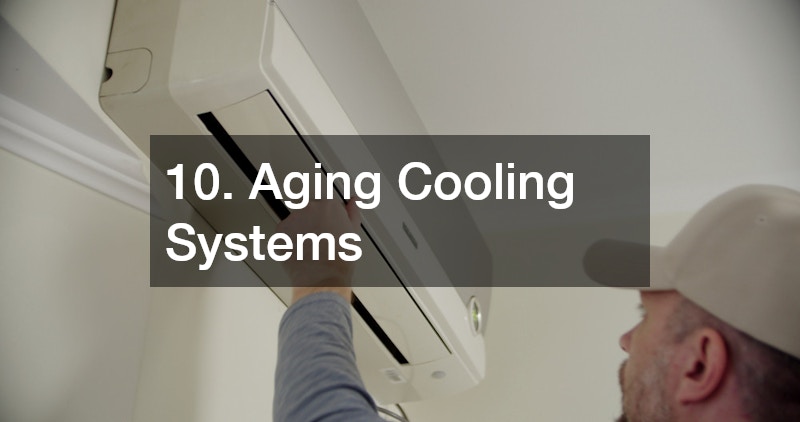
Cooling systems lose efficiency gradually, often without obvious failure. Many homeowners adjust thermostats without realizing the system is struggling to maintain consistent temperatures. Small fluctuations in room comfort may be dismissed, but they often indicate underlying wear.
Uneven cooling or frequent cycling can indicate declining performance. Components work harder to maintain comfort levels, leading to accelerated wear and tear. Ignoring these signs can result in complete system failure during peak demand, often at the hottest or most inconvenient times of the year. Emergency breakdowns frequently occur during extreme heat, leaving homeowners without cooling when it’s most needed. In addition, waiting too long may cause secondary damage to related electrical or mechanical components, compounding repair costs.
Local AC replacements are typically more expensive and often limit equipment options because homeowners are forced to make quick decisions. These rushed choices can result in suboptimal system sizing or installation. Early upgrades, on the other hand, allow for better planning, comparison of efficiency ratings, and budgeting for a high-quality replacement.
11. Small Structural Wood Repairs
Minor wood damage around doors, windows, decks, or trim is often overlooked because it may appear purely cosmetic. Paint, stain, or finish can hide early signs of rot, moisture exposure, or pest activity. Small cracks, soft spots, or subtle warping may not seem urgent at first, leading homeowners to delay action. However, these early warning signs indicate that moisture is penetrating the wood, potentially creating conditions for rot, mold, or infestation over time.
Moisture exposure and pests such as termites or carpenter ants can quickly worsen these issues. Once rot begins, it spreads rapidly into surrounding materials, weakening support structures and compromising stability. Over time, this can affect door frames, decking, stair treads, and even window sills, creating safety hazards. Repairs become more complex and invasive as damage expands, often requiring partial or full replacement of affected components rather than simple patching.
Early repairs usually involve patching, sealing, or reinforcing damaged areas to prevent further deterioration. These fixes help maintain structural integrity and protect the wood from additional moisture or pest intrusion. Delaying action often necessitates removing and replacing larger sections of wood, significantly increasing both labor and material costs.
Home maintenance issues rarely resolve themselves, and what starts as a small, seemingly minor problem can quickly escalate into a costly repair. From aging roofs and damaged driveways to hidden plumbing leaks, pest activity, and failing cooling systems, delaying attention only increases both the expense and complexity of the necessary repairs. Taking a proactive approach allows homeowners to address problems before they compromise safety, structural integrity, or comfort.
By prioritizing home maintenance now rather than later, you safeguard your property against unexpected failures, protect your family’s comfort, and maintain the overall value of your home. Remember, small, timely repairs prevent large, disruptive, and expensive problems in the future. Make proactive maintenance a part of your routine, and you’ll enjoy a safer, more efficient, and more beautiful living environment for years to come.