
Acquiring a home represents one of the most substantial financial investments an individual or family will make in a lifetime. While the closing process marks the end of real estate negotiations, it simultaneously signals the start of ongoing property stewardship. Every residence consists of interconnected mechanical systems, structural assemblies, and exterior elements that require systematic oversight. Ignored maintenance tasks frequently escalate into costly structural damage, unexpected system failures, and severe safety hazards. A structured inspection and maintenance strategy allows owners to protect their property value, improve energy efficiency, and maintain a safe living space.
Early homeownership involves learning how different trade specialties contribute to total property preservation. Architectural components like roofing systems and foundation walls work together with plumbing lines, electrical panels, and climate control units to create a secure shelter. Outside the house, natural features demand equal care to prevent environmental wear and tear. Soil grading, drainage pathways, and the condition of a residential lawn all influence how moisture interacts with foundation footings. Developing a comprehensive playbook ensures that routine checks occur on schedule, potential defects are identified before failure occurs, and qualified contractors are engaged when repairs exceed DIY limits.
Navigating the Initial Ownership Transition
Transitioning into a new residence requires immediate action during the first thirty days. Even when a general home inspector completes a buyer’s evaluation prior to purchase, those reports typically provide a surface-level overview rather than an exhaustive trade-by-trade diagnosis. General inspectors identify visible flaws, but they lack the scope to evaluate hidden wiring configurations or specialized mechanical components. Consequently, immediate priority must be given to critical life-safety systems and baseline utility checks.
Homeowners should begin by locating main shutoff valves for water and gas lines, alongside the primary electrical circuit panel. Testing every ground fault circuit interrupter outlet ensures shock prevention mechanisms function properly across kitchens, bathrooms, and outdoor receptacles. If the previous owners made unpermitted modifications, or if an older panel shows signs of thermal discoloration, bringing in a licensed electrician guarantees that amperage loads comply with modern electrical safety codes. Addressing these immediate baseline items within the first month prevents unexpected emergency outages and provides clear operational knowledge of the home’s primary control points.
Exterior Shell Diagnostics and Overhead Risk Assessment
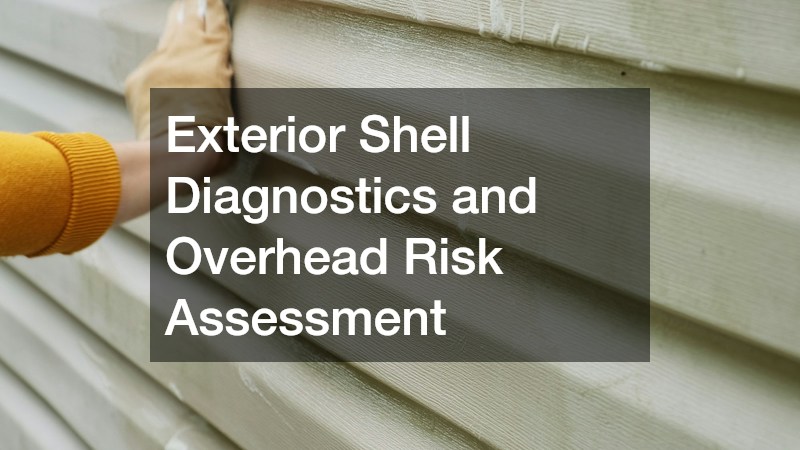
The exterior envelope serves as the primary barrier against weather, temperature fluctuations, and moisture invasion. Compromises in the exterior shell often remain undetected until water penetrates living areas, causing structural timber rot and drywall destruction. Assessing the roof overhead requires evaluating shingles, flashing details, plumbing vents, and chimney caps. Environmental factors such as severe wind, heavy snowfall, and UV degradation constantly wear down roofing materials over time.
Observing asphalt shingles from ground level or via ladder inspection helps uncover missing tabs, curling edges, and heavy granule loss. Granule deterioration accelerates under intense sun exposure, exposing underlying felt paper to rainwater. When visible damage appears or when the roof approaches fifteen years of service, hiring professional roofers becomes an important maintenance step. Professional inspections uncover subtle structural defects, damaged decking, and loose flashing around chimneys that uncertified visual checks typically miss. Prompt overhead repairs stop localized leaks before moisture migrates down exterior walls and destroys structural wall framing.
Drainage Infrastructure and Water Diversion Strategies
Roofing components rely heavily on water diversion channels to keep water away from the foundation. Clogged or improperly pitched gutters allow heavy rainwater to pool near basement walls, increasing hydrostatic pressure and promoting foundation cracks. Cleaning downspouts and removing leaf debris must occur at least twice annually, typically in late spring and late autumn. Inspecting seams for corrosion or dripping joints prevents exterior siding discoloration and soil erosion around perimeter flower beds.
To eliminate frequent ladder climbing and reduce persistent clog risks, many property owners choose to install high-performance gutter guards over open channels. These covers block leaves and pine needles while letting water flow through without obstruction. However, if structural sag, severe rust, or incorrect slope angle persists across old metal runs, a complete gutter replacement provides the only reliable solution. Properly sized, seamless aluminum or copper gutters direct storm runoff away from exterior walls, preserving the foundation footings below.
Managing Property Grounds and Perimeter Safety

Maintaining the land surrounding a dwelling involves more than simple cosmetic upkeep; it forms an important line of defense for structural safety. Overhanging branches and unchecked root growth pose direct risks to power lines, roof structures, and underground sewer pipes. High winds can snap weak limbs, turning large branches into dangerous projectiles during summer storms or winter freeze events.
Routine property reviews should identify leaning trunks, decaying heartwood, and branches coming into contact with roof shingles. Partnering with professional tree services allows property owners to prune hazardous limbs safely and manage large timber removal without endangering nearby structures. Simultaneously, keeping an eye on grade slope across the outdoor lawn ensures that surface water drains away from the home rather than collecting along foundation walls. Proper turf aeration, strategic grading, and healthy grass coverage stabilize soil, preventing severe erosion during heavy rainstorms.
Plumbing Integrity and Domestic Water Management
Indoor plumbing systems require constant vigilance due to the destructive nature of undetected water leaks. Small drips under bathroom sinks or slow toilet flapper leaks waste thousands of gallons of water annually and promote mold growth within enclosed cabinetry. Inspecting flexible supply lines, pressure-reducing valves, and drainage traps helps discover minor failures before major pipe bursts occur.
Monitoring water pressure across all interior fixtures protects delicate pipe connections from premature failure. Excessively high water pressure damages valve seals, leading to sudden pipe ruptures behind finished drywalls. Calling certified plumbers to test pressure regulators, clear stubborn main line blockages, or re-route aging galvanized pipes keeps home plumbing operating smoothly. Additionally, if a storage tank unit shows signs of severe rust or fails to generate sufficient domestic hot water, scheduling a professional water heater installation restores hot water efficiency while eliminating dangerous basement floor flooding risks.
Indoor Climate Controls and Pest Vulnerability
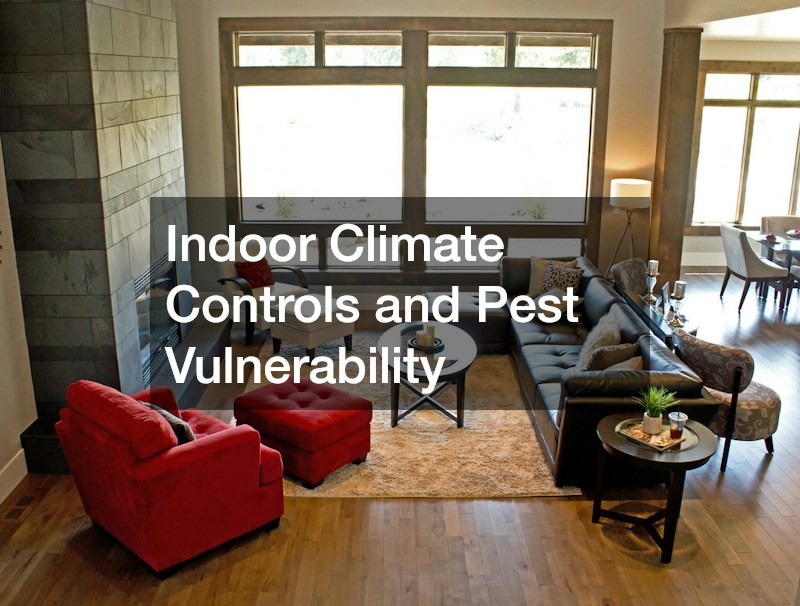
Heating and cooling systems control indoor comfort while directly influencing monthly utility expenses. Neglecting air filter replacements strains blower motors, lowers indoor air quality, and increases energy consumption. Dust accumulation on evaporator coils degrades heat exchange performance, forcing equipment to run continuously during extreme summer heat or winter cold snaps.
Scheduling annual tune-ups for air conditioners and furnace units through certified HVAC services maintains system performance and extends equipment operational lifespan. Technicians clean internal components, verify refrigerant levels, and check heat exchangers for dangerous cracks that could leak carbon monoxide into living spaces. Alongside climate maintenance, property owners must address structural vulnerabilities that attract wood-destroying insects and rodents. Engaging qualified pest control specialists ensures regular perimeter inspections for subterranean termites, carpenter ants, and rodent entry points, protecting wood framing members before structural destruction takes place.
Developing a Preventive Maintenance Calendar
Organizing home stewardship tasks into seasonal routines helps prevent expensive emergency service calls. Spring focus areas include inspecting exterior siding, cleaning out drainage channels, checking exterior hose bibs for freeze damage, and testing air conditioning units. Summer routines emphasize exterior timber sealing, window caulking checks, and monitoring foundation soils for drought-induced settlement gaps.
Autumn shifts priorities toward preparing the property for freezing temperatures. Draining exterior spigots, clearing fallen leaves, and inspecting heating equipment protect systems against sudden cold snaps. During seasonal reviews, retaining specialized roofers to evaluate chimney flashing after severe winter ice storms guarantees that structural integrity remains intact. Likewise, establishing annual maintenance checkups with trusted plumbers allows homeowners to inspect main sewer lines with diagnostic cameras, identifying tree root intrusion before backup disasters flood lower-level living spaces.
Modernizing Infrastructure for Long-Term Efficiency
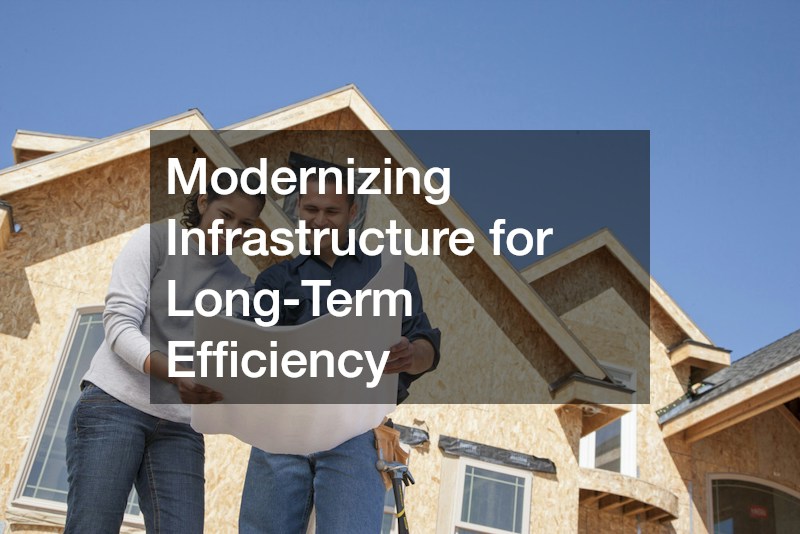
As residential structures age, upgrading legacy mechanical systems yields substantial long-term financial dividends through improved energy efficiency. Older appliances and drainage setups consume unnecessary power while underperforming compared to modern manufacturing standards. Replacing inefficient storage tank water heaters with high-efficiency tankless models lowers energy usage while supplying endless domestic hot water.
Executing a modern water heater installation requires careful consideration of gas line sizing, venting requirements, and electrical circuit capacity. Similarly, upgrading old sectional gutters to seamless systems prevents structural decay. Commissioning a full gutter replacement provides wide water channels capable of handling high-volume downpours triggered by sudden summer thunderstorms. Modernizing these major systems reduces utility overhead, protects structural foundations, and increases overall resale value across competitive real estate markets.
Electrical Upgrades and HVAC System Maintenance
Modern households rely heavily on complex electronic devices, home office networks, and electric vehicle charging stations. Legacy electrical systems designed decades ago often struggle to meet these elevated power demands safely. Overloaded breaker panels, flickering lights, and ungrounded two-prong outlets signal that internal power distribution needs immediate professional intervention.
Hiring an experienced electrician to install dedicated circuits, upgrade main service panels to two hundred amps, or fit whole-house surge protectors shields valuable electronics against power spikes. In tandem with electrical safety, preserving indoor air distribution networks remains central to family health. Retaining professional HVAC services to balance ductwork pressure, seal air leaks, and install advanced air filtration devices guarantees optimized indoor comfort year-round. Taking these proactive trade management measures ensures electrical safety while keeping heating and cooling equipment running at peak performance.
Surroundings Management and Outbuilding Care
Maintaining overall property integrity extends past the main living quarters to encompass detached garages, sheds, and outdoor boundaries. Overhanging branches and leaf debris drop onto auxiliary roof surfaces just as quickly as they do on the main house. Outbuildings with neglected roofs suffer rapid structural rot, decaying interior framing and damaging stored power equipment or vehicles.
Outfitting outbuilding roof eaves with durable gutter guards keeps small garage gutters free of falling leaves and organic debris, ensuring rainwater drains smoothly away from auxiliary foundation walls. Furthermore, scheduling periodic property assessments with professional tree services prevents heavy storm-damaged limbs from crashing through shed roofs during strong windstorms. Clearing decayed vegetation and accumulated mulch around property perimeters eliminates micro-habitats where excess moisture collects, protecting both primary and secondary structures from premature timber breakdown.
Long-Term Risk Mitigation Strategies
Preventive home stewardship requires looking beyond immediate repair needs to anticipate long-term environmental hazards. Soil composition, humidity levels, and regional climate patterns all influence how buildings age over decades. Uncontrolled moisture in crawlspaces or basements invites fungal growth, weakens floor joists, and creates ideal environments for subterranean pests.
Implementing comprehensive moisture management plans keeps substructures dry and structurally sound. Routine inspections by licensed pest control technicians identify early warning signs like mud tubes, wood damage, or pest droppings before structural damage spreads into living space framing. Combining sub-floor moisture barriers with regular pest treatments safeguards wooden floor support systems, maintaining total structural integrity throughout the entire operational life of the residential structure.
Establishing Lasting Trade Relationships
Developing a trustworthy network of trade professionals represents one of the smartest strategies a new homeowner can implement. When unexpected mechanical failures occur during extreme weather, having established relationships with qualified local contractors ensures prompt service response times. Vetted contractors understand the specific architectural quirks and local building codes associated with regional housing stock.
Property owners should thoroughly evaluate contractor credentials, liability insurance coverage, and professional certifications before unexpected mechanical emergencies arise. Maintaining an organized physical or digital record folder containing past invoices, equipment serial numbers, and system warranty documents streamlines communication during future service visits. Building positive long-term working relationships with skilled trade professionals brings immense peace of mind, knowing that critical home repairs will be executed safely, correctly, and within reasonable budget parameters.
Sustaining Long-Term Property Value
Systematic property oversight converts homeownership from a stressful chore into a rewarding investment experience. By combining routine self-inspections with professional trade maintenance, property owners protect their financial equity while enjoying a safe, efficient living environment. Following a structured maintenance playbook removes guesswork, allowing homeowners to prioritize repairs before small defects become expensive emergencies.
Ultimately, successful property management requires proactive attention, proper budgeting, and knowing when to call qualified specialists. Maintaining structural integrity, mechanical efficiency, and exterior surroundings preserves property market value for decades to come. Armed with detailed knowledge and organized maintenance schedules, new homeowners can navigate property ownership with confidence, ensuring their dwelling remains a secure, comfortable sanctuary for many years ahead.