Choosing the right hurricane windows is one of the most important protective decisions you can make in a storm-prone region. These specialized windows are engineered to withstand high winds and flying debris, helping prevent catastrophic structural damage during severe weather. Beyond storm protection, they can also improve energy efficiency, reduce outside noise, and increase property value.
Understanding the key performance standards, material options, sizing considerations, and installation requirements ensures you select windows that deliver long-term security and performance.
What Are the Key Features to Look for in Hurricane Windows?
Impact resistance is the core function of hurricane windows. Unlike standard glass, impact-rated windows are engineered to withstand wind-borne debris, preventing breaches that can lead to dangerous internal pressurization and structural failure. Most use laminated glass with a durable interlayer, typically polyvinyl butyral, that holds shattered pieces in place to maintain the building envelope. When evaluating options, confirm compliance with local codes such as the Florida Building Code and testing standards from ASTM International. Review the Design Pressure rating and missile impact classification to ensure the window meets regional wind-load requirements.
Energy efficiency also affects long-term value and operating costs. Quality hurricane windows help regulate indoor temperatures, reduce HVAC strain, and lower utility bills. Key metrics include U-Factor for insulation performance, Solar Heat Gain Coefficient for managing heat gain in warm climates, and air leakage ratings for draft control. Many products are certified by ENERGY STAR, confirming compliance with region-specific efficiency standards. In hot or coastal climates, lower Solar Heat Gain Coefficient ratings improve comfort and reduce cooling demand.
Frame material influences strength, maintenance, insulation, and price. Aluminum offers durability and corrosion resistance, but benefits from thermal breaks to improve energy performance. Vinyl provides strong insulation and low maintenance at a more affordable price point, though it may offer less structural rigidity in extreme wind zones. Wood delivers a classic appearance and natural insulation but requires ongoing upkeep. Fiberglass combines durability and thermal efficiency while resisting expansion and warping. The right choice depends on climate exposure, architectural style, and long-term performance goals.
How to Choose the Right Size and Style of Hurricane Windows?
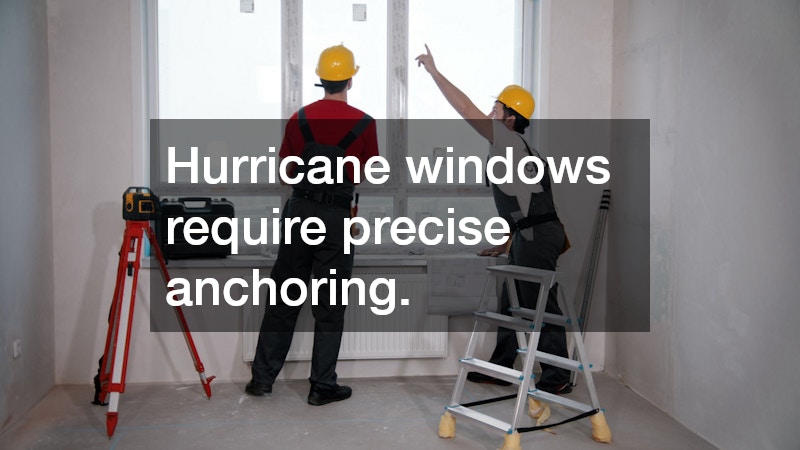
Accurate measurement is essential to ensure proper fit, sealing, and structural integrity. Even minor discrepancies can compromise performance and reduce impact resistance. Measurements should be taken for width and height in multiple locations within the existing opening, and the smallest dimension should be used to ensure proper installation. Measuring diagonally from corner to corner confirms whether the opening is square. If you are replacing existing windows, it is important to inspect the surrounding structure for signs of water damage, rot, or framing issues. In high-wind regions, hurricane windows must be anchored securely into structural framing rather than superficial exterior finishes. Proper preparation of the rough opening ensures that the new window performs as designed.
Hurricane windows are available in a wide range of styles that preserve curb appeal while enhancing protection. Double-hung windows provide classic aesthetics and allow ventilation from both the top and bottom sashes. Casement windows are hinged and open outward, offering tight seals when closed and excellent ventilation when open. Sliding windows operate horizontally and are well-suited for contemporary designs or wider openings. Picture windows are fixed units that maximize natural light and unobstructed views, though they do not provide ventilation. Selecting a style should align with your home’s architectural character, ventilation needs, and structural layout. Consistency across window types can enhance overall visual harmony while maintaining functional performance.
Customization allows homeowners to tailor hurricane windows to both aesthetic and performance requirements. Options may include low-emissivity coatings to improve thermal performance, tinted glass to reduce glare, decorative grid patterns to match architectural details, and enhanced laminated layers for additional sound reduction. Frame finishes and hardware selections also allow personalization while maintaining structural integrity. In coastal environments, corrosion-resistant components are often recommended to ensure longevity. Customization provides flexibility while preserving the protective qualities required for storm-prone regions.
What Is the Cost and Installation Process of Hurricane Windows?
Hurricane windows typically require a higher upfront investment than standard residential windows due to reinforced frames, laminated glass construction, and specialized testing certifications. The total cost depends on window size, style, material, impact rating, and level of customization. Labor rates and regional building code requirements also influence overall pricing. Although the initial investment can be significant, long-term benefits may offset the cost. Many homeowners experience reduced energy expenses, lower insurance premiums, and increased resale value. Requesting detailed, itemized estimates allows for accurate comparisons between product specifications, warranties, and installation services.
Professional installation generally involves removing existing windows, preparing and inspecting the rough opening, reinforcing structural components if necessary, installing and anchoring the new unit, and sealing the perimeter to prevent water intrusion. Each step must adhere strictly to manufacturer specifications and local building codes. Proper sealing and anchoring are critical. Even the highest-rated hurricane window will underperform if installed incorrectly. Ensuring that the installation team is experienced in impact-rated systems reduces the risk of performance failures during severe weather.
While some homeowners consider do-it-yourself installation to reduce labor costs, hurricane windows require precise anchoring and code compliance that can be difficult to achieve without professional expertise. Improper installation may void warranties or fail inspections, potentially compromising safety. Professional installation increases upfront costs but ensures structural compliance, warranty protection, and reliable performance. In hurricane-prone areas, hiring experienced installers is typically the prudent choice.
Selecting hurricane windows involves more than choosing an impact-rated product. You must evaluate structural performance standards, energy efficiency metrics, frame materials, precise sizing, design compatibility, total cost, and installation quality. When properly selected and installed, hurricane windows provide durable storm protection, improved energy efficiency, enhanced comfort, and long-term property value. By carefully considering each of these factors, you can confidently invest in hurricane windows that safeguard your home and deliver measurable benefits for years to come.