Severe storms can bring about an overwhelming level of destruction, leaving homes and businesses in need of rapid and effective repair strategies. Fortunately, with the right guidance, the road to recovery can be navigated with precision and confidence. This article will delve into actionable steps to manage storm damage effectively, ensuring a smoother, quicker return to normalcy.
Clearing Debris
In the immediate aftermath of a storm, prioritizing a thorough storm damage clean-up is essential to prevent further deterioration of your property. This process begins with removing scattered debris such as broken branches, roofing materials, damaged furniture, and any hazardous objects that may pose safety risks. Securing loose items around the property also helps reduce the chance of additional damage if secondary weather events occur. Restoring safe access to driveways, walkways, and entry points allows residents and emergency personnel to move freely and safely.
Beyond surface-level cleanup, a proper assessment of the property is equally important. Storms can cause hidden structural issues such as foundation shifts, water intrusion, or weakened support beams that are not immediately visible. Identifying these concerns early can significantly reduce long-term repair costs and prevent escalating damage. In many cases, bringing in restoration professionals ensures a more accurate evaluation, as they are trained to detect issues that may be overlooked by homeowners.
A structured clean-up approach also lays the groundwork for all subsequent repairs. By categorizing damage into immediate hazards, structural concerns, and cosmetic issues, homeowners can better prioritize restoration efforts. This organized process transforms an overwhelming situation into manageable steps, helping restore stability and control during a stressful recovery period.
Removing Damaged Trees
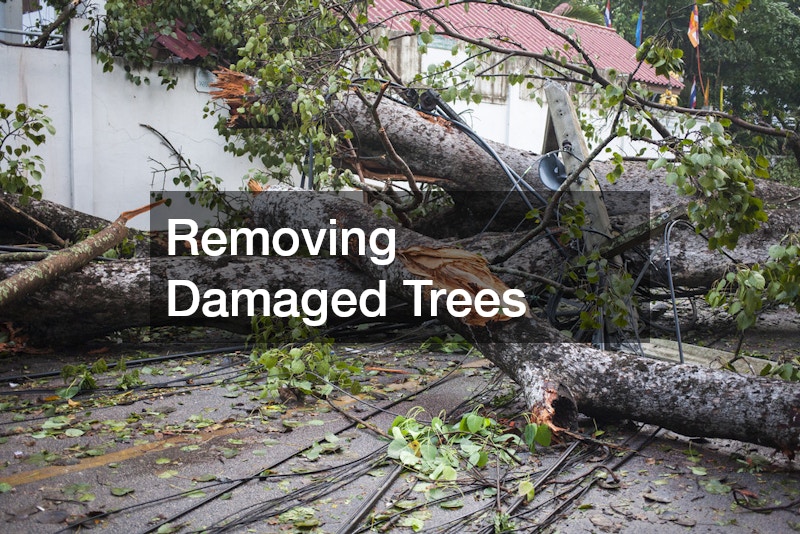
Storm damage often leaves behind fallen or unstable trees that pose significant safety and structural risks. Immediate removal is essential to prevent further damage to homes, vehicles, power lines, and surrounding property. Even trees that appear intact may have weakened root systems or internal damage, making them hazardous if left unattended.
Professional storm damage tree removals are equipped to handle these risks safely and efficiently. They use specialized equipment and follow safety protocols to remove large limbs, uprooted trees, and debris without causing additional damage. Their expertise is especially important when dealing with trees located near structures or electrical infrastructure.
Beyond removal, post-storm tree assessments are crucial for long-term landscape health. Arborists can evaluate remaining trees for stability, disease, or structural weakness, recommending pruning or treatment where necessary. This ongoing care helps restore the landscape while reducing the risk of future storm-related damage.
Prioritizing Roof Damage Repair
Roof damage is one of the most common and urgent issues following a severe storm. High winds, hail, and falling debris can cause missing shingles, leaks, punctures, or even structural compromise. Addressing these issues quickly is essential to prevent water infiltration, mold growth, and interior damage to ceilings and walls.
A professional roof inspection helps determine the full extent of the damage, including issues that may not be visible from the ground. Repairing or replacing damaged sections with high-quality materials ensures the roof regains its protective function. In some cases, storms present an opportunity to upgrade roofing systems for improved durability and resistance to future weather events.
Timely roof repair can also have financial benefits. Many insurance policies cover storm-related roof damage, and completing repairs promptly helps avoid secondary issues that may not be covered later. Regular maintenance and inspections further strengthen the roof’s ability to withstand future storms, making it a critical component of overall property protection.
Replacing Damaged Siding
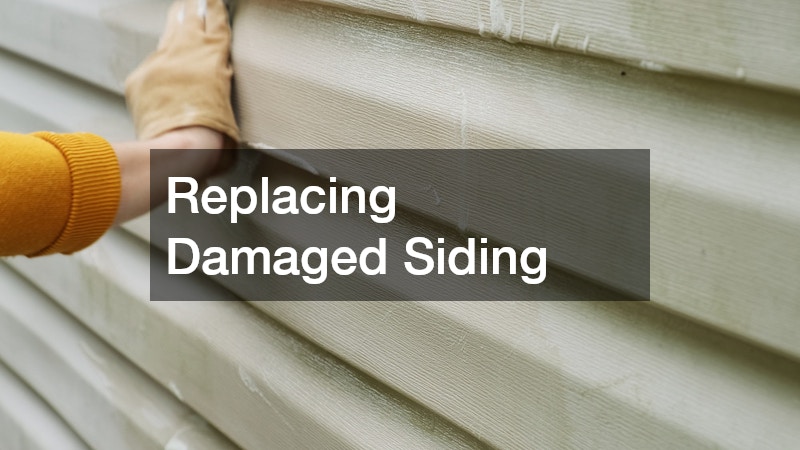
Storm damage to exterior siding can significantly impact both the appearance and structural integrity of a home. Cracked, warped, or missing siding exposes underlying materials to moisture, wind, and pests, increasing the risk of long-term deterioration. Prompt residential siding replacement is essential to restore protection and prevent further damage.
Modern siding materials offer enhanced durability, energy efficiency, and weather resistance. Options such as vinyl, fiber cement, or engineered wood are designed to withstand harsh conditions while maintaining aesthetic appeal. Choosing the right material allows homeowners to improve both resilience and curb appeal in a single upgrade.
Professional installation ensures proper sealing, alignment, and insulation, which are critical for maximizing performance. New siding can also improve energy efficiency by reducing air leaks and heat loss. With regular inspections and maintenance, residential siding can provide long-lasting protection, turning storm recovery into an opportunity for meaningful home improvement.
Installing New Windows
Severe storms can significantly compromise window systems, leaving homes vulnerable to drafts, water intrusion, and reduced energy efficiency. In many cases, even minor cracks or frame shifts can weaken the overall integrity of a window, making replacement a more practical long-term solution than repair. Conducting a detailed assessment after storm damage helps determine whether full replacement is necessary or if partial restoration is sufficient.
Choosing the right replacement windows plays a major role in improving both storm resistance and thermal performance. Modern window systems are designed with advanced materials that enhance insulation, reduce air leakage, and improve overall structural strength. Impact-resistant glass, reinforced frames, and multi-pane designs are especially beneficial in regions prone to severe weather, as they provide added protection against wind-borne debris and pressure changes.
Proper installation is just as important as product selection. Even high-quality windows can underperform if they are not correctly sealed and fitted. Professional installation ensures airtight sealing, proper alignment, and long-term durability. When integrated with other storm recovery efforts, replacement windows not only restore functionality but also enhance comfort, safety, and long-term energy efficiency.
Engaging a Cleaning Service

After a storm, restoring cleanliness inside the home is a critical step toward regaining normal living conditions. While surface cleaning may address visible mess, professional house cleaning services provide a deeper level of sanitation that targets hidden contaminants, moisture buildup, and debris trapped in hard-to-reach areas. This level of cleaning is especially important after flooding, heavy winds, or structural damage.
Post-storm cleaning often involves addressing more than just dirt and clutter. Water intrusion can introduce bacteria, mud, and airborne contaminants that settle into carpets, upholstery, vents, and wall surfaces. Professional cleaners use specialized equipment and techniques to remove these pollutants effectively, helping to restore a safe and healthy indoor environment. This deep cleaning process also reduces lingering odors and improves air quality.
Beyond immediate restoration, regular professional cleaning can play a preventative role in long-term home maintenance. Early detection of moisture issues, mold growth, or hidden damage allows homeowners to address problems before they escalate. Establishing a consistent cleaning routine after storm recovery not only restores comfort but also helps protect property value and household health.
Implementing Mold Prevention Strategies
Mold growth is one of the most serious secondary effects of storm damage, often developing quickly in damp, poorly ventilated areas. If left untreated, mold can spread throughout a property, affecting walls, flooring, insulation, and even structural components. It also poses significant health risks, particularly for individuals with allergies, asthma, or weakened immune systems.
Effective mold remediation begins with identifying and eliminating the source of moisture. Without addressing underlying water intrusion or humidity issues, mold is likely to return even after surface cleaning. Professional remediation services focus on containment, removal, and air purification to ensure spores do not spread to unaffected areas of the home.
Advanced remediation techniques often include antimicrobial treatments, HEPA filtration, and moisture control solutions to ensure thorough results. Preventative measures, such as improving ventilation and using dehumidifiers, further reduce the risk of recurrence. Incorporating mold prevention into post-storm recovery efforts ensures a healthier living environment and strengthens the home’s resilience against future moisture-related issues.
Tackling Water Damage
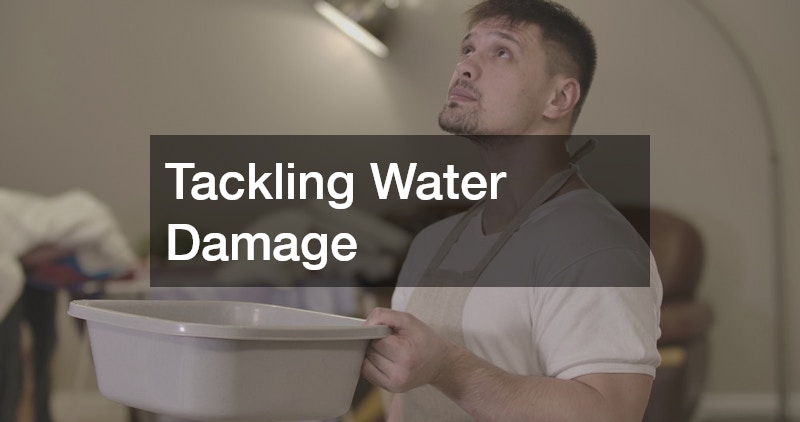
Water damage is one of the most immediate and destructive consequences of severe storms, affecting both visible surfaces and hidden structural elements. Even after standing water is removed, moisture can remain trapped within walls, flooring, insulation, and foundations, leading to long-term deterioration if not properly addressed. Prompt action is essential to minimize these risks and prevent secondary damage.
Professional water damage repairs typically begin with rapid water extraction followed by advanced drying and dehumidification processes. Industrial-grade equipment helps remove moisture more effectively than standard household tools, ensuring that affected areas are fully dried. This step is critical in preventing mold growth, wood rot, and structural weakening.
Once drying is complete, restoration work focuses on repairing or replacing damaged materials such as drywall, flooring, and insulation. Technicians also evaluate structural integrity to ensure the property remains safe and stable. Preventative improvements, including enhanced drainage systems and waterproofing solutions, can further protect the home from future storm-related water intrusion. A thorough and timely approach to water damage repair not only restores the property but also strengthens its long-term durability.
Optimizing Cesspool Systems
Severe storms can overwhelm wastewater systems, making cesspool pumping services a critical part of post-storm recovery. Excess rainfall and flooding can cause cesspools to overflow or back up, creating serious health hazards and unpleasant living conditions. Prompt pumping helps restore system functionality and prevents contamination from spreading within the property.
Routine maintenance becomes even more important after storm events, as increased water volume and debris can strain the system beyond normal capacity. Scheduling inspections and pumping services after major weather events allows professionals to identify damage, blockages, or inefficiencies before they worsen. This preventative approach reduces the likelihood of emergency repairs and system failure.
Working with experienced cesspool service providers also offers long-term benefits. They can recommend maintenance schedules, system upgrades, and usage practices that improve resilience during future storms. By staying proactive, property owners can maintain a safer, cleaner, and more reliable wastewater system year-round.
Restoring Electrical Systems
Storms can cause significant damage to a home’s electrical system, especially when high winds, flooding, or lightning are involved. Power surges, exposed wiring, and water intrusion into outlets or breaker panels can create serious safety hazards that are not always immediately visible. Because of these risks, electrical inspection and restoration should be treated as a top priority during post-storm recovery.
A licensed electrician can assess the full extent of the damage, including checking circuit breakers, wiring integrity, outlets, and major appliances. Even if power appears to function normally, hidden issues such as short circuits or compromised grounding can pose fire or electrocution risks later. For this reason, it is essential to avoid using damaged systems until they have been professionally evaluated and deemed safe.
In cases of flooding or severe water exposure, electrical components may need to be replaced rather than repaired. Modern safety upgrades, such as surge protection systems or elevated electrical panels, can also be installed to reduce vulnerability in future storms. Taking these precautions not only restores functionality but also significantly improves long-term household safety and resilience.
Considering Shelter Installations
Storm shelter installations are a proactive investment that significantly enhances safety during extreme weather events. These reinforced structures provide a secure space designed to withstand high winds, flying debris, and sudden environmental hazards. For homeowners in storm-prone regions, having a designated shelter can be the difference between vulnerability and protection during emergencies.
Although installation costs can vary, the long-term benefits often outweigh the initial investment. Many modern storm shelters are built to meet strict safety standards and may qualify for insurance incentives or local safety grants. Ensuring proper installation and compliance with building codes is essential to guarantee the shelter performs effectively when needed most.
In addition to safety, storm shelters can add functional value to a property. They may serve dual purposes, such as secure storage or reinforced safe rooms, depending on design. Consulting with qualified professionals helps homeowners choose the right type of shelter based on property layout, household size, and regional weather risks, ensuring both practicality and peace of mind.
Recovering from storm damage requires a coordinated and proactive approach that addresses both immediate hazards and long-term property stability. From structural repairs like roofs, windows, siding, and water damage restoration to essential services such as mold remediation, cleaning, and electrical safety checks, each step plays an important role in restoring a safe and functional home.
By acting quickly and working with qualified professionals, homeowners can reduce further damage, control repair costs, and ensure that all systems are properly evaluated and restored. Equally important, preventative upgrades and routine maintenance can significantly improve a property’s resilience against future storms. A well-planned recovery process not only restores what was lost but also strengthens the home for the future. With careful attention and the right support, homeowners can move from disruption to stability with greater confidence and peace of mind.