- Home technology integration connects multiple smart devices into one centralized system for easier control and automation.
- A well-integrated home improves convenience, energy efficiency, and overall security.
- Planning is essential—choosing compatible devices and a reliable platform prevents costly issues.
- Strong network connectivity and cybersecurity measures are critical for a smooth and safe smart home experience.
- Integration can increase property value while reducing long-term energy and maintenance costs.
- Future trends like AI and voice control will make smart homes even more intuitive and personalized.
Modern homes are no longer just about shelter—they are becoming intelligent ecosystems designed to improve comfort, efficiency, and security. With rapid advancements in smart devices and automation, homeowners now have the opportunity to connect and control multiple systems seamlessly. This shift is what makes home technology integration such an important concept today.
Whether you’re building a new home or upgrading an existing one, understanding how integration works can help you make smarter decisions. This comprehensive guide explores everything you need to know, from the basics to advanced strategies, so you can create a connected home that truly works for you.
What Is Home Technology Integration and Why Does It Matter?
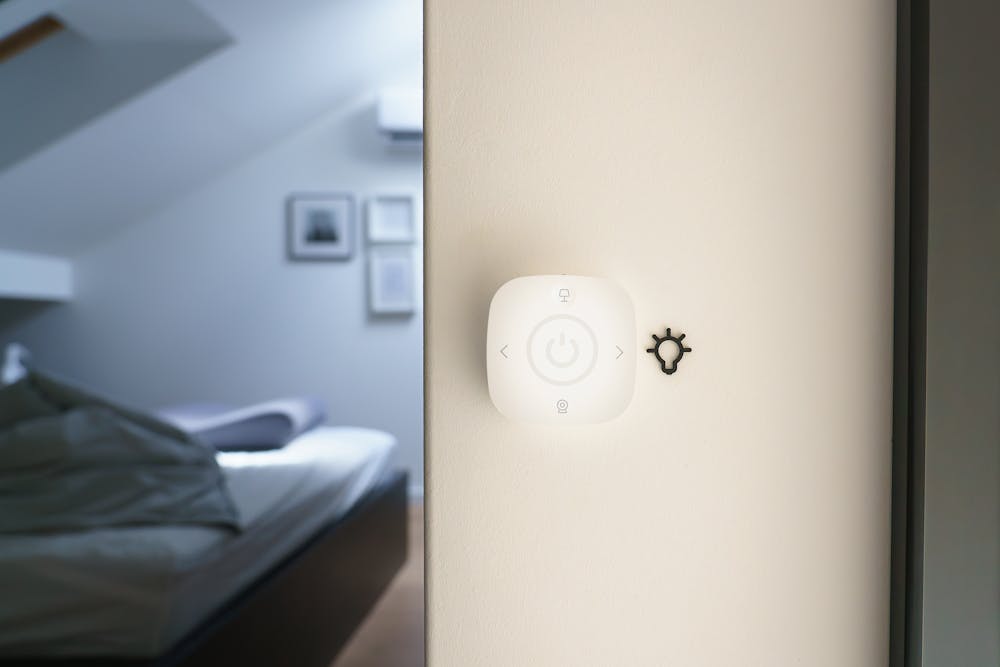
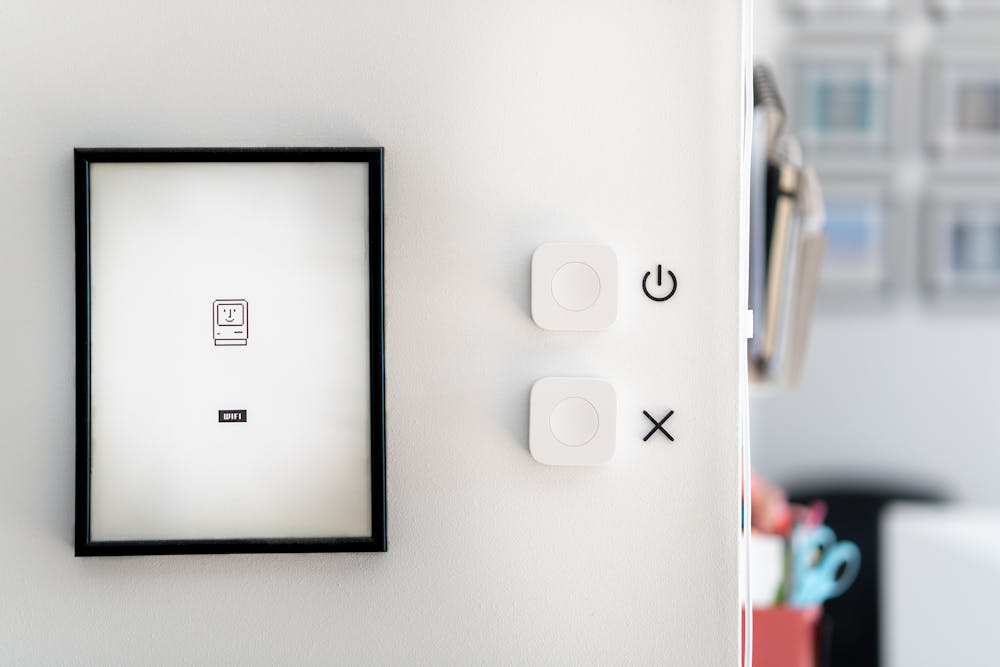
Home technology integration refers to the process of connecting various smart devices and systems within a home into one unified platform. Instead of managing separate apps or controls, integration allows homeowners to operate lighting, security, climate, and entertainment systems from a single interface. This creates a seamless experience that enhances convenience and efficiency.
As homes become more connected, integration plays a crucial role in ensuring devices work together smoothly. Without it, even the most advanced gadgets can feel disjointed and frustrating. Integration simplifies everyday tasks and allows for automation that adapts to your lifestyle.
Key Components of an Integrated Home
An integrated home typically includes multiple interconnected systems that communicate with each other. These systems are designed to work together rather than operate independently.
- Smart lighting systems
- Home security and surveillance
- Climate control (HVAC)
- Entertainment systems
- Smart appliances
Why Integration Is Important
Integration enhances the overall functionality of your home by creating a unified experience. It reduces the need for manual control and improves energy efficiency through automation.
- Centralized control simplifies daily tasks
- Automation saves time and effort
- Improved energy management lowers utility costs
- Enhanced security and monitoring
How Does Home Technology Integration Work?

Understanding how integration works can help homeowners make informed decisions when choosing devices and systems. At its core, integration relies on communication between devices, centralized control systems, and user interfaces. These elements work together to create a cohesive smart home environment.
The process involves connecting devices through a network, often using Wi-Fi, Bluetooth, or specialized protocols. A central hub or platform then manages these connections, allowing users to control everything through a smartphone, tablet, or voice commands.
Core Technologies Behind Integration
Several technologies make home integration possible. These systems ensure devices can communicate effectively and perform automated tasks.
- Internet of Things (IoT) connectivity
- Wireless communication protocols (Zigbee, Z-Wave)
- Cloud-based platforms
- Mobile apps and voice assistants
The Role of Smart Hubs
Smart hubs act as the brain of an integrated home system. They connect multiple devices and allow them to communicate efficiently.
- Centralizes control of all devices
- Enables automation and scheduling
- Improves compatibility between brands
Benefits of Home Technology Integration for Modern Living
The growing popularity of integrated homes is driven by the wide range of benefits they offer. From convenience to cost savings, integration enhances everyday living in meaningful ways. Homeowners can enjoy greater control over their environment while reducing the effort required to manage it.
In addition to improving comfort, integration also supports sustainability and safety. Automated systems can adjust energy usage, monitor security, and even detect potential hazards, making homes smarter and more responsive.
Convenience and Efficiency
One of the biggest advantages of integration is the convenience it provides. Tasks that once required manual effort can now be automated or controlled remotely.
- Control devices from a single app
- Automate daily routines
- Reduce repetitive tasks
Energy Savings and Sustainability
Integrated systems can optimize energy usage by adjusting settings based on occupancy and preferences. This leads to lower energy consumption and reduced utility bills.
- Smart thermostats reduce heating and cooling costs
- Automated lighting minimizes energy waste
- Real-time monitoring improves efficiency
Enhanced Security and Safety
Security systems become more effective when integrated with other technologies. Homeowners can monitor their property and receive alerts in real time.
- Smart cameras and alarms
- Remote access to security systems
- Automated locks and motion sensors
Types of Systems in Home Technology Integration
A fully integrated home consists of multiple systems working together to create a seamless experience. Each system serves a specific purpose but contributes to the overall functionality of the home. Understanding these systems can help you prioritize your integration efforts.
From entertainment to security, integration ensures that all aspects of your home are connected and easy to manage. This not only improves convenience but also enhances the overall user experience.
Smart Lighting Systems
Lighting is one of the most common entry points for home integration. Smart lighting allows users to control brightness, color, and schedules.
- Automated lighting schedules
- Motion-activated lights
- Voice-controlled adjustments
Climate Control Systems
Smart thermostats and HVAC systems help maintain a comfortable indoor environment. These systems can adjust temperatures based on occupancy and preferences.
- Energy-efficient temperature control
- Remote adjustments
- Learning capabilities for personalized comfort
Security and Surveillance Systems
Integrated security systems provide comprehensive protection for your home. They combine cameras, sensors, and alarms into one platform.
- Real-time monitoring
- Automated alerts
- Remote access and control
Home Entertainment Systems
Entertainment systems can also be integrated for a seamless experience. Users can control audio, video, and streaming services from a single interface.
- Multi-room audio systems
- Centralized media control
- Voice-activated entertainment
Planning Your Home Technology Integration Project
Proper planning is essential for a successful integration project. Without a clear strategy, homeowners may face compatibility issues or overspend on unnecessary devices. Taking the time to plan ensures that your system meets your needs and functions efficiently.
A well-thought-out plan considers factors such as budget, device compatibility, and future scalability. It also helps you decide whether to take a DIY approach or hire professionals for installation.
Steps to Get Started
Planning your integration project involves several important steps. These steps help ensure a smooth and effective implementation.
- Identify your goals and priorities
- Set a realistic budget
- Research compatible devices
- Choose a central platform
DIY vs Professional Installation
Homeowners can choose between installing systems themselves or hiring professionals. Each option has its pros and cons.
DIY Installation
- Lower upfront costs
- Greater flexibility
- Requires technical knowledge
Professional Installation
- Expert setup and configuration
- Better system reliability
- Higher initial investment
Common Challenges and How to Overcome Them
While home technology integration offers many benefits, it also comes with challenges. Understanding these obstacles can help you avoid common mistakes and ensure a smoother experience. Many issues arise from poor planning or incompatible devices.
By addressing these challenges early, homeowners can create a more reliable and efficient system. This reduces frustration and ensures that all components work together seamlessly.
Compatibility Issues
Not all smart devices are designed to work together. Compatibility problems can lead to limited functionality or system failures.
- Choose devices within the same ecosystem
- Use hubs that support multiple protocols
- Check compatibility before purchasing
Connectivity Problems
A strong and reliable network is essential for integration. Weak connections can disrupt communication between devices.
- Upgrade your Wi-Fi network
- Use mesh systems for better coverage
- Reduce interference from other devices
Security and Privacy Concerns
Integrated systems can be vulnerable to cyber threats if not properly secured. Protecting your network and devices is essential.
- Use strong passwords
- Enable two-factor authentication
- Keep software updated
Future Trends in Home Technology Integration
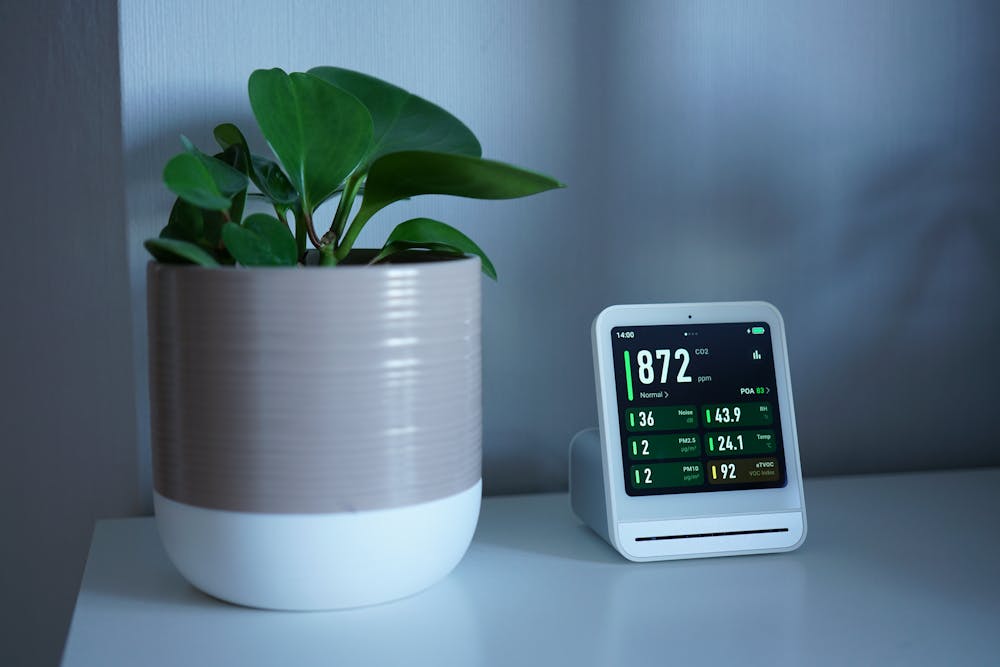
The future of home technology integration is filled with exciting possibilities. As technology continues to evolve, homes will become even more intelligent and responsive. Emerging trends are shaping the way homeowners interact with their living spaces.
From artificial intelligence to sustainable solutions, these advancements are making integrated homes more efficient and user-friendly. Staying informed about these trends can help you future-proof your home.
Artificial Intelligence and Automation
AI is playing a growing role in home integration. Systems can learn user behavior and make automatic adjustments.
- Predictive automation
- Personalized user experiences
- Improved energy management
Voice and Gesture Control
Voice assistants are becoming more advanced, allowing for hands-free control of home systems. Gesture control is also emerging as a new way to interact with devices.
- Seamless voice commands
- Integration with multiple devices
- Enhanced accessibility
Sustainable Smart Homes
Sustainability is becoming a key focus in home technology. Integrated systems can support eco-friendly living.
- Smart energy management
- Integration with renewable energy sources
- Reduced environmental impact
Is Home Technology Integration Worth It?
For many homeowners, the decision to invest in integration comes down to value. While the upfront cost can be significant, the long-term benefits often outweigh the investment. Integrated systems can improve comfort, security, and efficiency, making them a worthwhile addition to modern homes.
The value of integration also depends on how well the system is designed and implemented. A carefully planned setup can deliver a high return on investment and enhance the overall living experience.
Factors to Consider
Before investing in integration, consider the following factors:
- Your budget and long-term goals
- Compatibility with existing systems
- Potential energy savings
- Lifestyle needs and preferences
Long-Term Benefits
Integrated homes offer lasting advantages that go beyond convenience. These benefits make them a smart investment for the future.
- Increased property value
- Lower energy costs
- Improved quality of life
Final Thoughts
Home technology integration is transforming the way people live by creating smarter, more efficient living spaces. By connecting devices and systems into a unified platform, homeowners can enjoy greater convenience, security, and control. While the process may seem complex at first, proper planning and the right tools can make integration both manageable and rewarding.
As technology continues to evolve, integrated homes will become the standard rather than the exception. Investing in home technology integration today can help you stay ahead of the curve and create a living environment that truly meets your needs.